

Independence in motion
The official newsletter of INDEPENDENCE ON WHEELS. Dive into stories of independence, essential updates, and community highlights that inspire boundless possibilities.

Your journey to boundless independence
Every day, we are inspired by the miles you travel and the barriers you break. This month, we are celebrating new beginnings, sharing essential gear updates, and mapping out your next great autumn road trip. Let’s dive into what is happening in our community.
Feel empowered, connected, and inspired
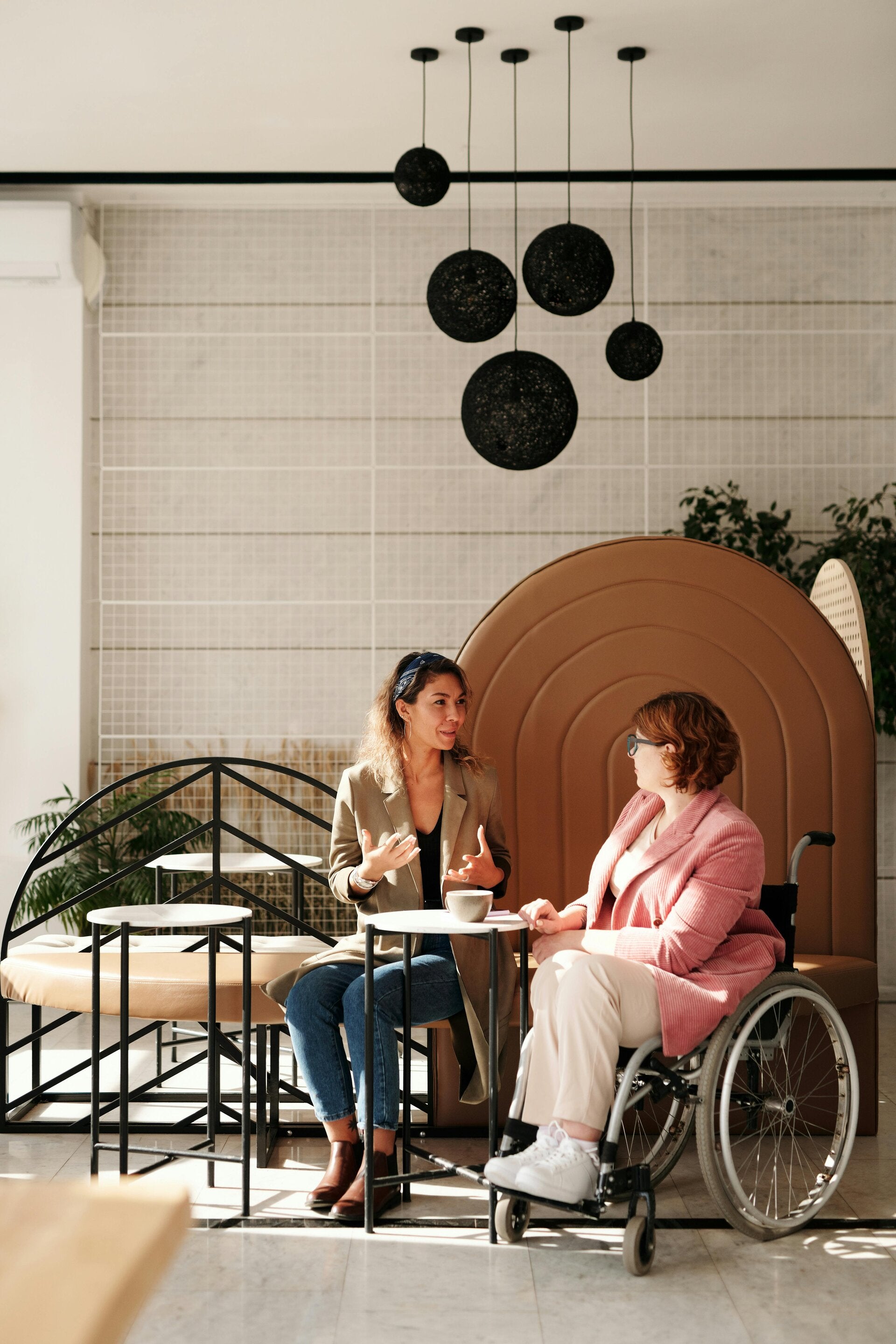
Our blog aims to move you from a feeling of isolation or limitation to a state of boundless possibility and action. We want you to feel empowered and capable, knowing that physical limitations do not mean lifestyle limitations. Feel understood and connected, realizing that INDEPENDENCE ON WHEELS truly understands the nuances, frustrations, and joys of adaptive driving. Feel relieved and validated as complex barriers are broken down into simple, manageable pieces. Most importantly, feel inspired by seeing peers achieve milestones like solo road trips or reclaiming their daily commutes.

A community for all: Future members, families, and caregivers
Beyond our current members, this blog is designed to reach a broader ecosystem of individuals who influence, support, and advocate for accessible mobility. Future members will find hope, clarity, and proof that they can safely get back behind the wheel. Family members and caregivers will find reassurance, researching safety, funding options, and vehicle reliability. Expanding our readership to these key groups helps build a stronger community and ensures those who need adaptive vehicle solutions can find them.

HOW DO YOU CHOOSE THE RIGHT MOBITY SCOOTER
In the UK, mobility scooters are available in various types and models, catering to different needs and preferences, with options for purchase, rental, and support services.
Types of Mobility Scooters
-
Portable/Folding Scooters: Lightweight and easy to transport, these scooters are ideal for travel and can often be folded for convenience. They are suitable for short trips and can be taken on public transport CareCo.
-
Pavement Scooters: Generally larger, these scooters are designed for use on pavements and offer features like suspension systems for comfort over longer distances. They typically have a maximum speed of 4 mph for pavement use CareCo.
-
Road Legal Scooters: These scooters can travel at speeds up to 8 mph and are equipped with safety features such as lights and mirrors. They are suitable for both road and pavement use CareCo.
Where to Buy or Rent
- Mobility Giant: Offers a wide selection of new and used mobility scooters starting from around £795. They provide services such as free home delivery, a 14-day trial, and a one-year warranty on purchases mobilitygiant.co.uk.
- CareCo: Stocks various models from leading brands, including compact travel scooters and long-range road scooters. They also offer accessories and the option to test drive scooters in-store CareCo.
- Amazon UK: Features a range of mobility scooters available for online purchase, providing options for different budgets and needs Amazon.co.uk.
- Motability Scheme: This scheme helps individuals find suitable scooters and arrange home visits for trials, ensuring the chosen scooter meets their needs Motability Scheme.
Considerations
When choosing a mobility scooter, consider factors such as:
- Weight Capacity: Ensure the scooter can support your weight comfortably.
- Range: Look for scooters with sufficient battery life for your typical journeys.
- Comfort Features: Check for padded seats, suspension, and other comfort-enhancing features.
- Storage and Transport: If you plan to travel with your scooter, consider its weight and folding capabilities.
How To Help With Anxiety Leaving The House?
To effectively manage anxiety related to leaving home, especially for those facing agoraphobia, it's essential to start in a low-pressure environment, accompanied by a trusted friend or therapist. Practicing slow breathing and other coping techniques can gradually alleviate the fear associated with certain places or situations, such as crowded areas, open spaces, or enclosed environments. Regular practice of relaxation strategies like deep breathing, mindfulness meditation, yoga, and visualization can aid in daily anxiety management.
With COVID-19 restrictions easing, many individuals may experience heightened anxiety when leaving their homes. It's natural to feel apprehensive after prolonged lockdowns. Individuals like Lauren, 19, share their experiences and coping mechanisms for overcoming fears of leaving home. The onset of panic attacks in such contexts is often linked to anxiety, leading to avoidant behavior over time. Understanding whether these fears stem from specific phobias or OCD can also be beneficial.
To confront leaving-the-house anxiety, relaxation techniques should be integrated into daily habits. This includes engaging in deep breathing exercises, progressive muscle relaxation, and mindfulness practices. Gradually exposing oneself to feared situations without undue pressure is key to overcoming the fear. Additionally, making lifestyle changes—such as regular exercise, healthier eating, and avoiding substances like caffeine—can further support anxiety management.
Ultimately, facing fears incrementally, asking for support when needed, and practicing relaxation can significantly reduce the intensity of agoraphobia. By developing confidence through consistent practice, individuals can learn to navigate their anxieties and engage more comfortably with the outside world.
Why Does Anxiety Make It Hard To Leave The House?
Agoraphobia is an anxiety disorder characterized by an intense fear of situations where escape might be difficult or where help may not be readily available, particularly during panic attacks. It can occur independently but is often associated with panic disorder. Leaving the safety of one's home becomes a daunting challenge, leading to increased anxiety and panic episodes. The disorder can manifest in varying degrees; some individuals may struggle significantly to leave their homes, while others might manage short excursions.
Understanding that fear of leaving home isn't solely a clinical issue is essential, as situational factors, like living in an unsafe neighborhood, can also contribute to this fear. Anxiety related to agoraphobia can be debilitating, affecting one's mental and physical health. Common strategies to cope include having a friend or family member accompany you, which can help ease the transition from home to public environments.
After prolonged periods of isolation, many may find it daunting to return to social activities, resembling agoraphobia fears. Anxiety often creeps in silently, altering daily life, and if left unchecked, it can exacerbate feelings of entrapment and panic. While agoraphobia involves fears of judgment and feelings of helplessness in unfamiliar situations, treatment options are available that can improve symptoms and enhance quality of life. Ultimately, combating agoraphobia means facing fears and gradually reclaiming freedom of movement, which, though challenging, is achievable with support and perseverance.
What'S The Worst Thing You Can Say To Someone With Anxiety?
When talking to someone with an anxiety disorder, it's crucial to avoid phrases that may invalidate their feelings. Here are several things you should not say:
1. "It's all in your head."
2. "I get anxious/feel stress too."
3. "Is this my fault?"
4. "Other people have it worse" or "It's not such a big deal."
5. "Stop worrying" or "Calm down."
Using such statements can make those with anxiety feel dismissed and misunderstood. Instead, provide a supportive presence. Encouragement to "just relax" will not help; it may exacerbate their anxiety. Empathy goes a long way—offer a non-judgmental listening ear and express your desire to understand what they’re experiencing.
Avoid platitudes and motivational clichés, as they often leave anxious individuals feeling worse. Instead of saying, "You're ruining the mood," acknowledge your limitations: "I want to understand what you're going through, but I'm not in the right headspace right now."
The aim is to validate their feelings and help them feel less isolated. Simple gestures and kind words can offer significant comfort during these challenging moments. Always prioritize empathy over tough love, as understanding is vital in supporting someone dealing with anxiety.
How Do You Calm Someone With Anxiety?
To support a friend or family member with anxiety, begin by asking how you can assist them. They might appreciate help during challenging situations, calm conversations, or engaging in breathing exercises. Recognize that anxiety is self-sustaining, causing further negative thoughts and physical symptoms. Offering responses rooted in love and acceptance is essential for their recovery. Stay calm and let them know if they are experiencing a panic attack, reassuring them that you are beside them.
It’s also important to move them to a quiet space, speak in simple sentences, and validate their feelings. Encourage them to participate in enjoyable activities to help them relax. Finally, counseling and therapy are crucial for managing symptoms associated with high-functioning anxiety.

(Image Source: Pixabay.com)
What Is The 333 Rule For Anxiety?
The 333 rule for anxiety is a straightforward and effective grounding technique aimed at helping individuals manage anxiety and stay present in overwhelming moments. Developed by clinical psychologist Aimee Daramus, PsyD, this method encourages users to divert their attention from anxiety by engaging their senses. The technique involves three simple steps: identifying three things you can see, three sounds you can hear, and three movements you can make with your body.
By focusing on these sensory details, the 333 rule helps calm the mind and reduce feelings of panic or anxiety when triggered. It serves as a practical coping strategy, bringing awareness back to the present moment and breaking the cycle of anxious thoughts. This technique is not only helpful in moments of distress, but it can also be practiced anywhere, making it a versatile tool for anxiety management.
Why Is It So Difficult To Leave The House?
Agoraphobia is an anxiety disorder characterized by an intense fear of situations outside the home, where escape might be challenging or help not readily available. Individuals with severe agoraphobia may be unable to leave their house, while those with milder forms may manage short trips. The condition can trigger overwhelming anxiety even at the thought of going out, as the fear of being trapped or helpless looms large.
For many, including the narrator, anxiety can build up before going out, leading to feelings of hopelessness and being confined within their own bodies. This leaves them questioning their mental health and grappling with the notion of self-worth. The isolation caused by this fear can be debilitating, magnifying feelings of incompetence and triggering a desire to avoid leaving home altogether.
The struggle to step outside is often compounded by external factors such as the COVID-19 pandemic, which has increased challenges for those already prone to anxiety. Despite acknowledging the necessity to fight against their anxiety, many find it hard to muster the motivation to engage with the outside world, facing competing comforts like TV, video games, and the ease of staying indoors.
As the narrator reflects, "home can be hard too." The battle between the anxiety of leaving home and the comfort of staying in creates a cycle of avoidance, making it increasingly difficult to confront both the world outside and their internal struggles. Ultimately, those experiencing such difficulties should recognize that their feelings are valid and that there are paths toward improvement through treatment and support.
What Are The 5 Levels Of Agoraphobia?
Agoraphobia, classified as an anxiety disorder in the DSM-5, involves an excessive fear of public spaces leading individuals to avoid situations that may induce feelings of panic, embarrassment, or helplessness. The condition is assessed using a 5-point scale that categorizes severity from none (0) to extreme (4). Research from 2001 to 2003 revealed that 28. 7% of individuals with agoraphobia displayed mild symptoms, 30. 7% moderate, and 40. 6% severe.
There are five primary situations associated with agoraphobia, including the fear of open spaces, enclosed environments, crowds, leaving home alone, and driving. Each type reflects different triggers of anxiety. The diagnosis aims to capture the nuanced experience of the condition, identifying specific fears that contribute to the individual's distress.
Clinicians utilize a total score ranging from 0 to 40, evaluating the frequency of symptoms from never to all the time, providing a clearer picture of the person's level of impairment.
Understanding the stages of agoraphobia—ranging from no symptoms to acute episodes—helps in formulating effective treatment paths. Through effective diagnosis and treatment, individuals can work towards managing their symptoms and improving their quality of life. The article seeks to explore these categories, causes, and potential treatments for those grappling with agoraphobia, emphasizing the importance of accurate assessment
Loneliness in older people
Older people are especially vulnerable to loneliness and social isolation – and it can have a serious effect on health. But there are ways to overcome loneliness, even if you live alone and find it hard to get out.
Hundreds of thousands of elderly people are lonely and cut off from society in this country, especially those over the age of 75.
According to Age UK, more than 2 million people in England over the age of 75 live alone, and more than a million older people say they go over a month without speaking to a friend, neighbour or family member.
People can become socially isolated for a variety of reasons, such as getting older or weaker, no longer being the hub of their family, leaving the workplace, the deaths of spouses and friends, or through disability or illness.
Whatever the cause, it's shockingly easy to be left feeling alone and vulnerable, which can lead to depression and a serious decline in physical health and wellbeing.
Someone who's lonely probably also finds it hard to reach out. There's a stigma surrounding loneliness, and older people tend not to ask for help because they have too much pride.
It's important to remember loneliness can – and does – affect anyone, of any age.
Here are ways for older people to connect with others, and feel useful and appreciated again.
Smile, even if it feels hard
Grab every chance to smile at others or begin a conversation – for instance, with the cashier at the shop or the person next to you in the GP waiting room.
If you're shy or not sure what to say, try asking people about themselves.
Invite friends for tea
If you're feeling down and alone, it's tempting to think nobody wants to visit you. But often friends, family and neighbours will appreciate receiving an invitation to come and spend some time with you.
If you'd prefer for someone else to host, Re-engage is a charity that holds regular free Sunday afternoon tea parties for people over the age of 75 who live alone.
You'll be collected from your home and driven to a volunteer host's home for the afternoon. Apply online or call Re-engage on 0800 716 543.
Keep in touch by phone
Having a chat with a friend or relative over the phone can be the next best thing to being with them.
Or you can call The Silver Line, a helpline for older people set up by Esther Rantzen, on 0800 470 8090 or Age UK on 0800 678 1602.
Learn to love computers
If your friends and family live far away, a good way to stay in touch, especially with grandchildren, is by using a personal computer, smartphone or tablet.
You can share emails and photos with family and friends, have free video chats using services such as Skype, Zoom, FaceTime or Viber, and make new online "friends" or reconnect with old friends on social media sites such as Facebook, Instagram or X and website forums.
A smartphone or tablet can be especially useful if you can't get around very easily, as you can sit with it on your knee or close to hand and the screen is clear and bright.
A sponge-tip stylus pen or speech recognition may help if the touchscreen is difficult for arthritic hands or fingers with poor circulation.
Libraries and community centres often hold regular training courses for older people to learn basic computer skills – as well as being a good place to meet and spend time with others in their own right.
Age UK has more advice about making the most of the internet.
Get involved in local community activities
These will vary according to where you live, but the chances are you'll have access to a singing or walking group, book clubs, bridge, bingo, quiz nights and faith groups.
Not to mention local branches of regional and national organisations that hold social events, such as the Women's Institute and Re-engage.
The Silver Line helpline (0800 470 8090) can let you know what's going on in your local area.
Fill your diary
It can help you feel less lonely if you plan the week ahead and put things in your diary to look forward to each day, such as a walk in the park or going to a local coffee shop, library, sports centre, cinema or museum.
Independent Age has published a guide about what to do if you're feeling lonely, which includes tips about activities you could try.
Download If you're feeling lonely: how to stay connected in older age (PDF, 2.97Mb) or order a free print copy by calling 0800 319 6789, or email advice@independentage.org.
Get out and about
Don't wait for people to come and see you – travel to visit them.
One advantage of being older is that public transport is better value. Local bus travel is free for older people across England (though remoter areas may have more limited bus services).
The age at which you can apply for your free bus pass depends on when you were born and where you live.